Why More Bakery and Snack Food Facilities Are Converting to Plastic Pallets
Posted: | Author: Cherrys Industrial
Sharing:
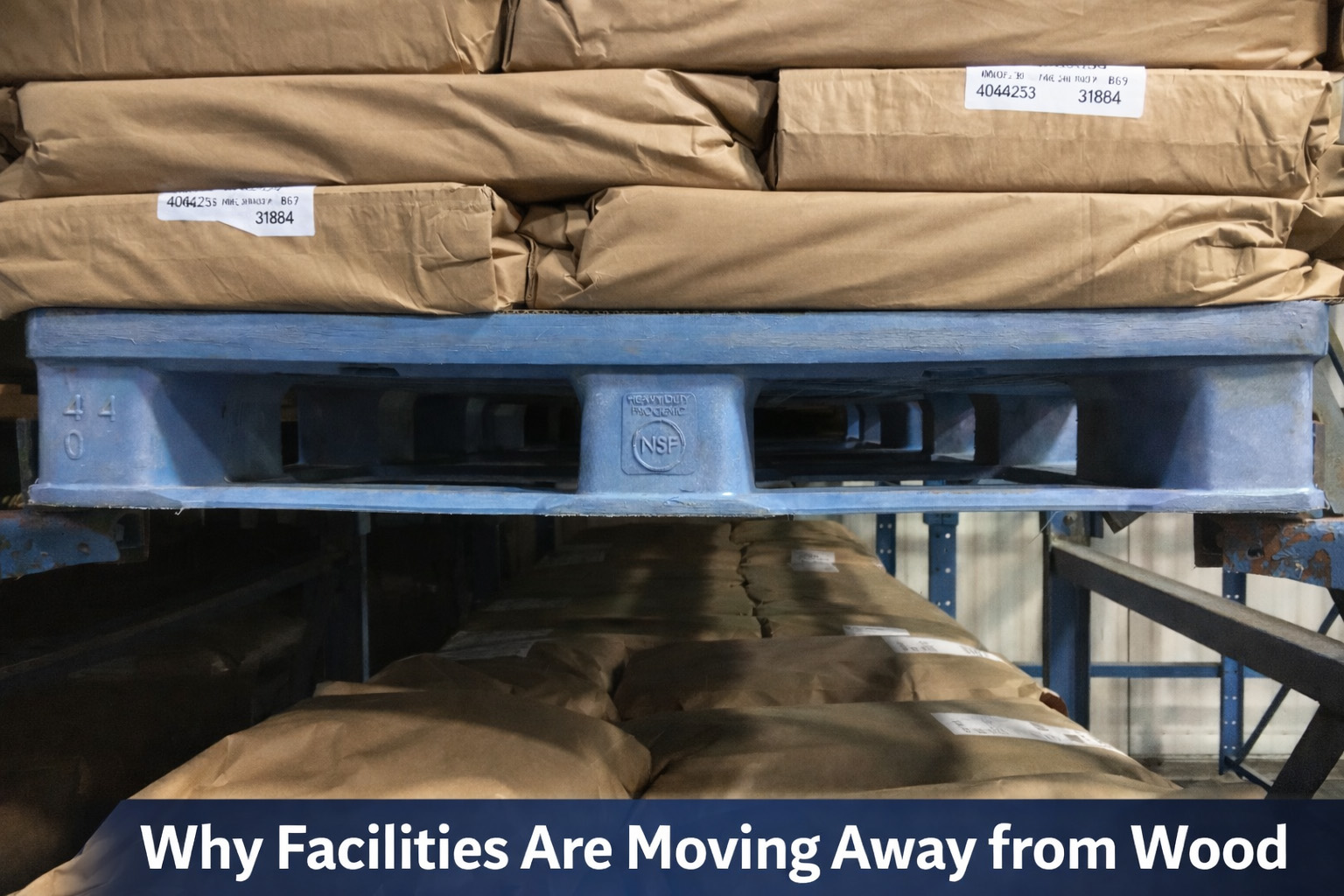
Why More Facilities Are Converting to Plastic Pallets—and Why Keeping Them Captive & Clean Matters More Than Ever
In today’s high-volume manufacturing and distribution environments, small inconsistencies can quickly escalate into safety risks, sanitation failures, and costly downtime. Traditional wooden pallets—long considered the industry default—are increasingly incompatible with modern food processing, snack, and bakery operations that demand tighter hygiene controls, repeatable performance, and reliable material flow.
As a result, many processors are converting to plastic pallets and implementing captive pallet programs that keep pallets controlled, clean, and out of the broader supply chain. This shift is not simply about pallet material—it is about protecting product integrity, safeguarding employees, and supporting automation-ready operations.
Why Facilities Are Moving Away from Wood
Wood pallets introduce several well-documented challenges in food-related environments:
-
- Broken boards and protruding nails increase injury risk
- Splinters and debris threaten product safety
- Moisture absorption creates sanitation and contamination risks
- Dimensional variability disrupts conveyors and automated systems
- Inconsistent pallet quality leads to jams, rework, and downtime
In regulated and audit-driven industries, these issues create exposure far beyond the cost of the pallet itself.
The Case for Plastic Pallets
Plastic pallets offer a consistent, engineered alternative designed for repeatable performance in hygienic and automated environments.
Key benefits include:
-
- Uniform dimensions and predictable deflection
- Non-porous, cleanable surfaces
- No nails, splinters, or loose components
- Reduced debris in production areas
- Longer service life and lower total cost of ownership
- Ideal compatibility with closed-loop, captive systems
For food processors, snack manufacturers, and bakeries, plastic pallets are increasingly becoming standard infrastructure—not an upgrade.
Why Captive Pallet Programs Matter
A captive pallet program keeps pallets within a defined facility or network, preventing uncontrolled loss, contamination, or damage.
This approach allows companies to:
-
- Maintain pallet quality and dimensional consistency
- Control cleanliness and sanitation standards
- Protect conveyors, robotics, and ASRS systems
- Reduce pallet shrink and replacement costs
- Extend pallet lifespan through controlled handling
In short, captive programs transform pallets from a consumable expense into a managed operational asset.
Determining When and Where to Transfer Ingredients onto Captive Plastic Pallets
For food processing, snack, and bakery operations, one of the most critical decisions in a plastic pallet conversion is determining where raw materials and ingredients are transferred from wood pallets onto captive plastic pallets. This decision directly impacts sanitation, allergen control, workflow efficiency, and the total number of plastic pallets required.
Facilities typically adopt one of two structured approaches:
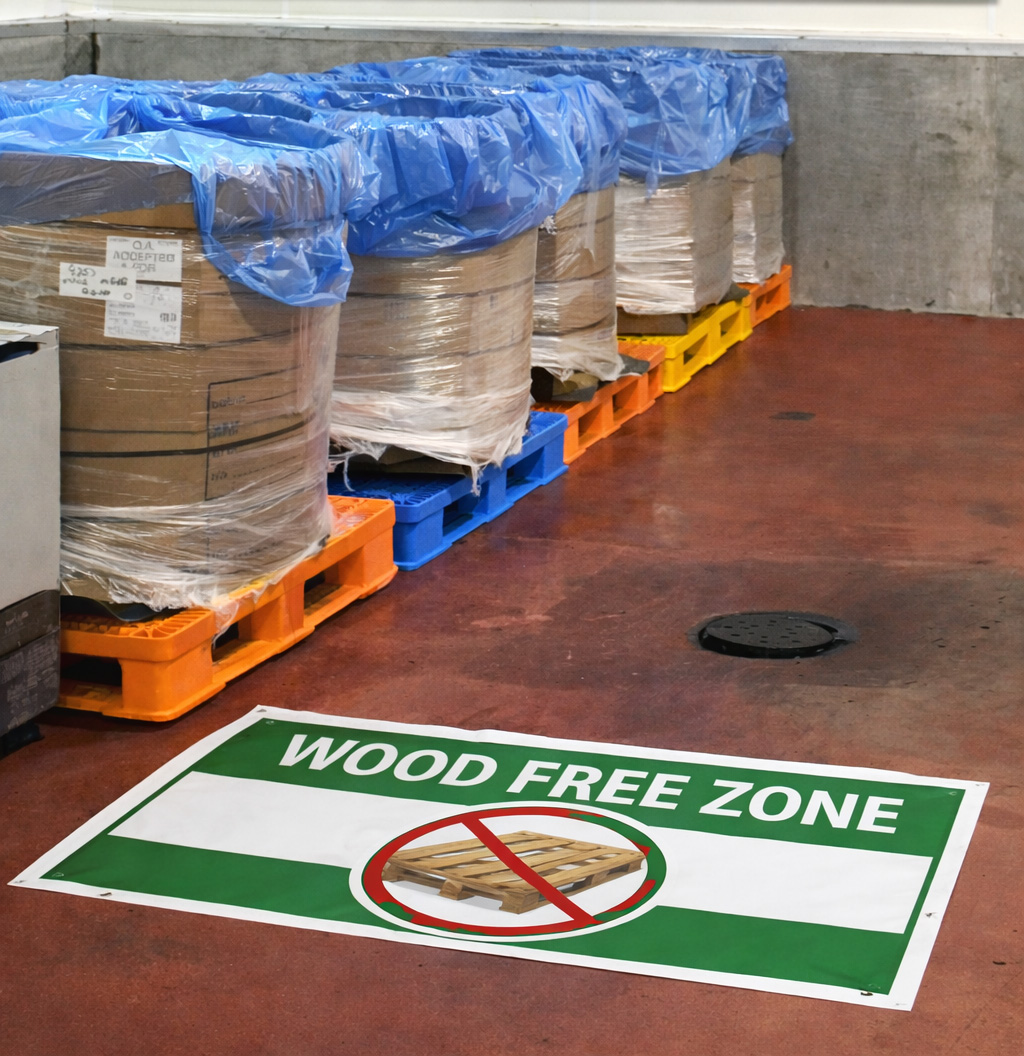 |
Approach 1: Establishing a Wood-Free ZoneSome processors designate a portion of the facility—often near mixing, batching, or high-care production areas—as a wood-free zone. A clearly defined line of demarcation is established, and everything crossing that boundary must be placed on a plastic pallet. Advantages include:
This approach generally requires a higher number of plastic pallets, as ingredients may be staged or stored upstream on plastic to support continuous production. |
Approach 2: Transfer at Batch or Production StagingOther facilities allow ingredients to remain on wood pallets in dry storage or racking and only transfer materials onto plastic pallets just prior to batching, mixing, or entering production. This model:
Success depends on precise timing, sanitation controls, and workflow discipline to prevent bottlenecks. |
 |
Hybrid Models Are Common—and Effective
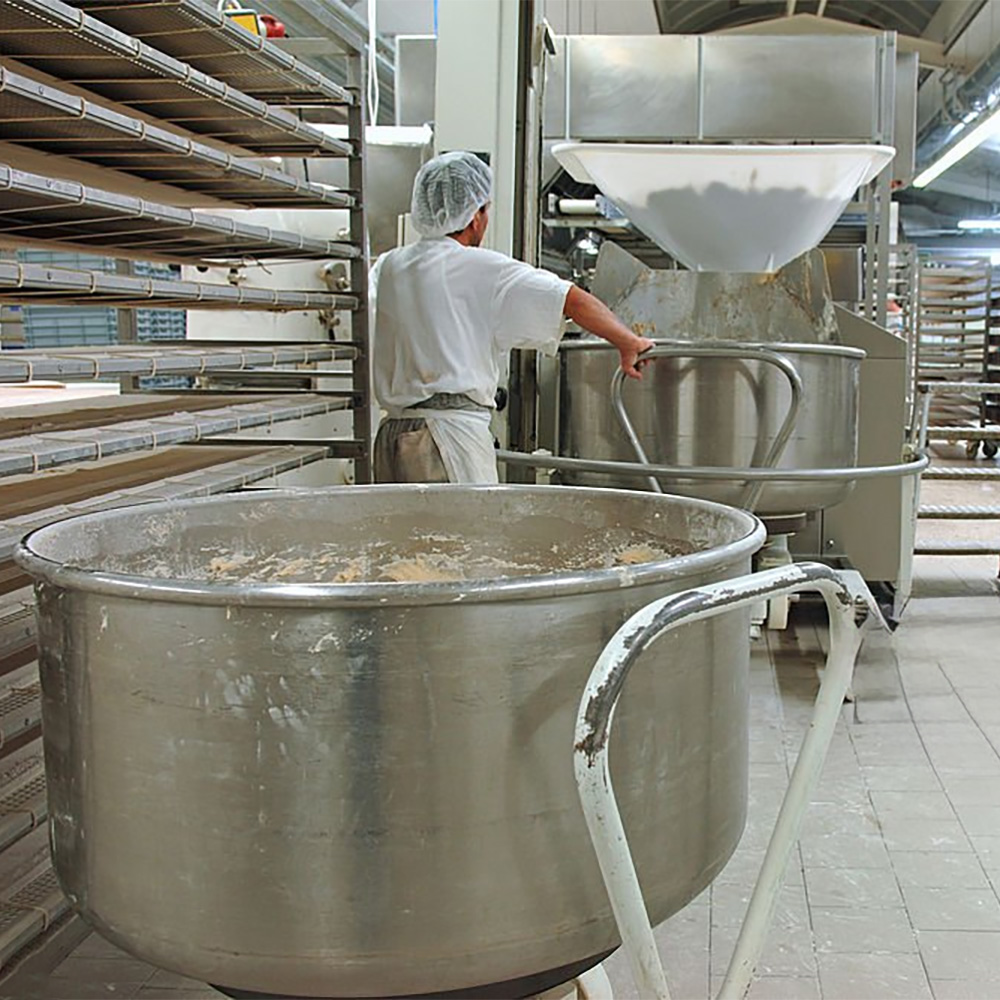
Many modern snack and bakery operations implement a hybrid strategy—maintaining wood pallets in low-risk storage zones while enforcing plastic-only rules near production, mixing, and packaging lines.
This balanced approach optimizes pallet count, sanitation control, operational flexibility, and audit readiness. A time-and-motion study combined with inventory and batch analysis is the most reliable way to size the pallet fleet correctly.
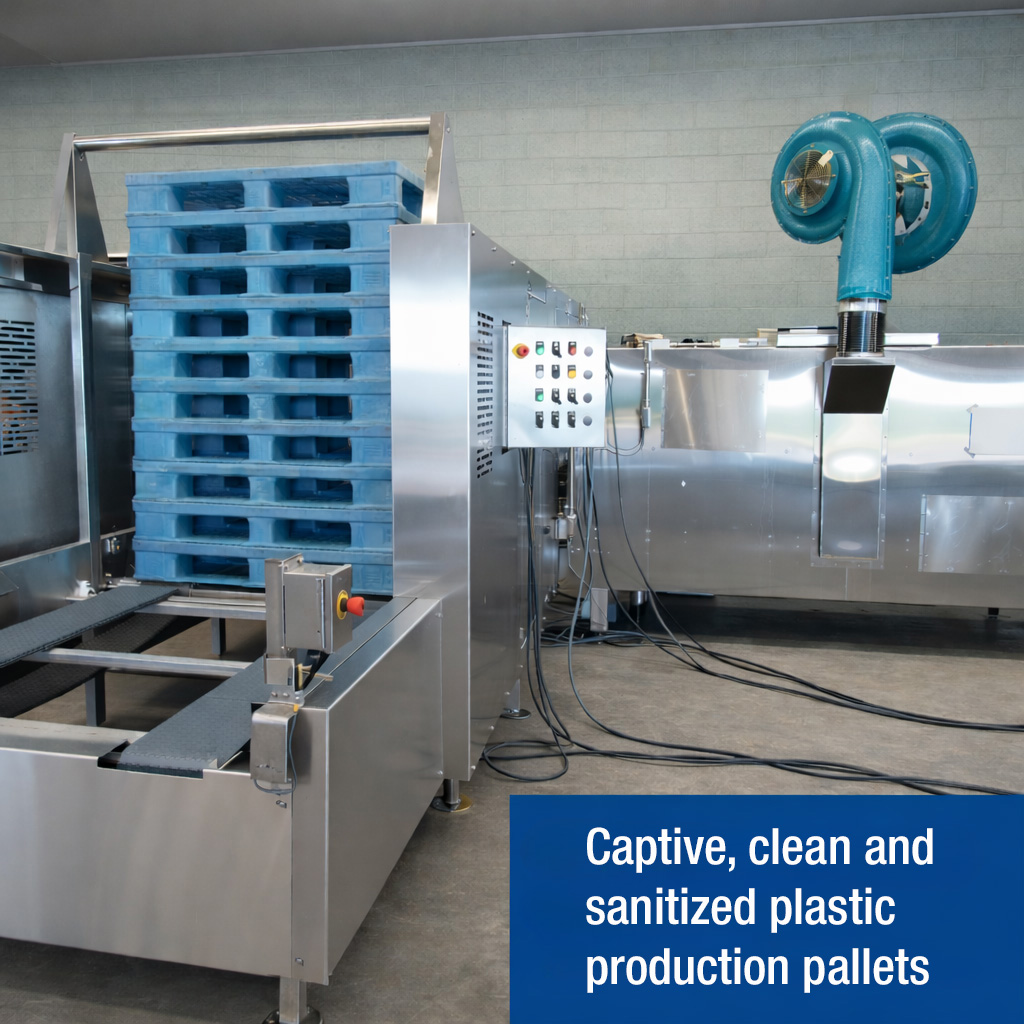
Keeping Captive Plastic Pallets CleanEven within a closed-loop system, cleanliness must be actively managed. Best practices include:
Clean pallets protect product quality, employee safety, and production uptime. Sanitize to eliminate harmful pathogens or clean to prevent ingredient cross-contamination which can lead to unnecessary recalls. |
 |
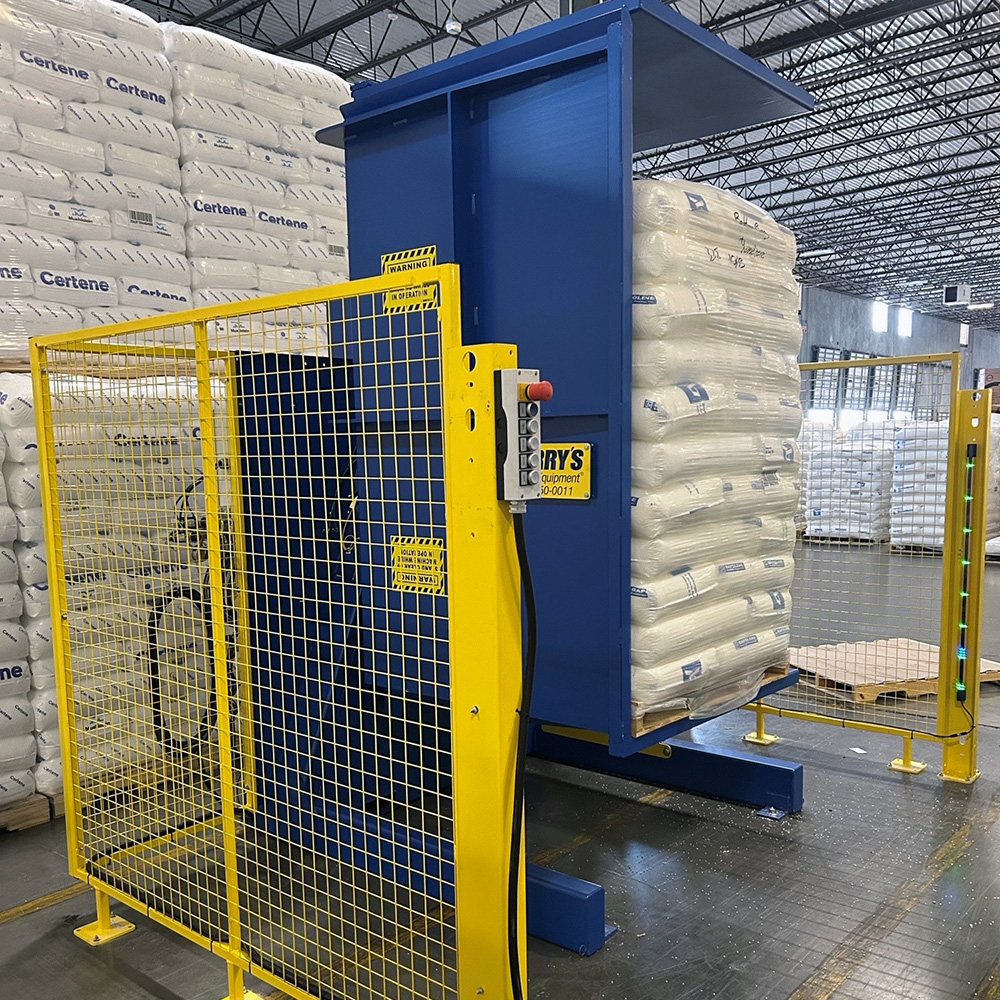 |
Pairing Plastic Pallets with the Right Handling EquipmentThe full value of a plastic pallet conversion is realized when it is supported by the right material-handling and load transfer equipment—particularly at the point where product moves from inbound wood pallets to captive plastic pallets. Common solutions include:
Together, these systems ensure that only compliant, clean, and automation-ready pallets enter high-care and production environments—while minimizing labor, injury risk, and process variability. |
Proceed with Discipline: Why Testing, Expertise, and Fire Safety Matter
While the benefits of plastic pallet conversion are compelling, successful programs do not begin with a full-scale rollout. The most effective conversions start small, controlled, and data-driven.
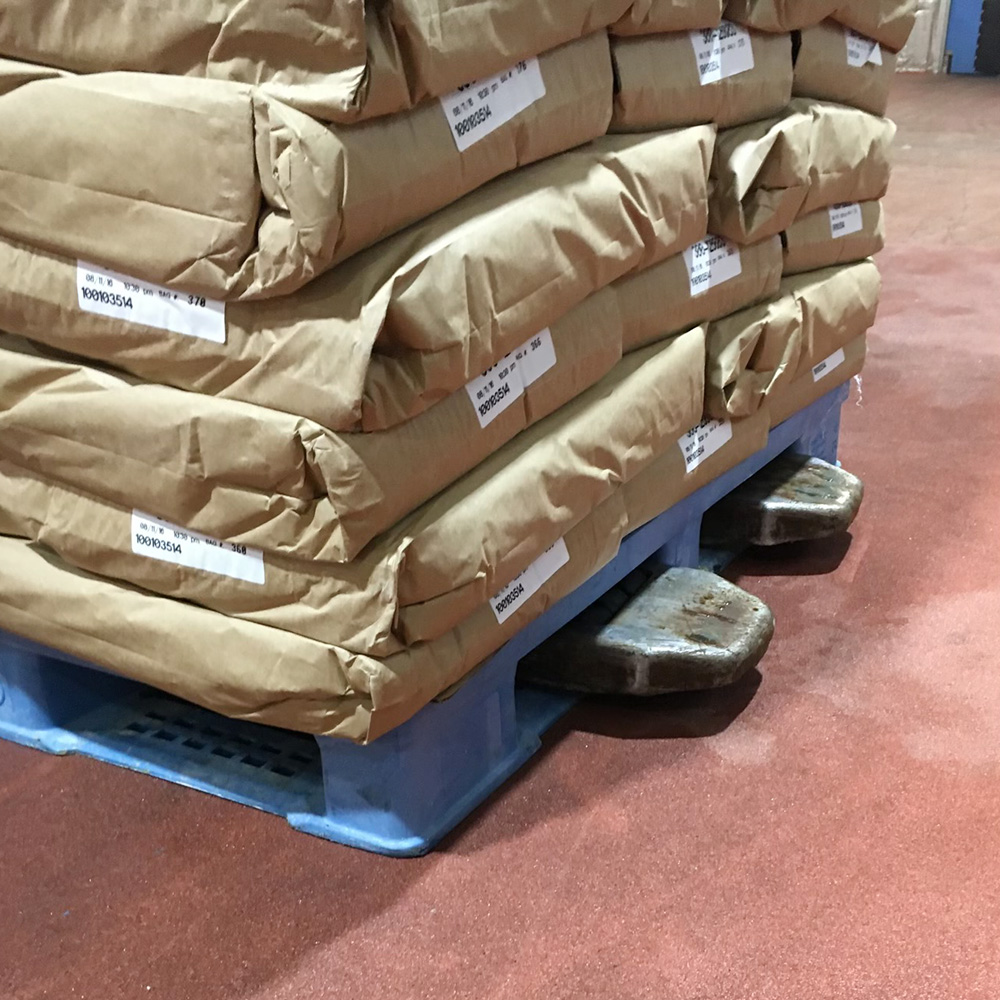
1. Start With Samples and a Pilot ProgramBefore committing to a fleet purchase, facilities should:
It is critical to put pallets through use, not simply compare them side by side. Pallets that look identical on day one may perform very differently after repeated cycles, racking exposure, freezer use, or wash-down environments. |
 |
2. Beware of “Catalog Convenience” Purchases
Online catalogs and general distributors may offer speed and attractive pricing, but plastic pallet selection is highly technical—and the risks extend beyond performance.
Many catalog sellers lack the expertise to properly evaluate:
-
- Load profiles and dynamic vs. static loading conditions
- Racking span, deflection limits, and long-term creep
- Compatibility with conveyors, automation, and pallet-handling equipment
- Performance in cold storage or wash-down environments
Catalogs that offer hundreds of thousands of items may only stock the best sellers (based on price) these models may not be the right pallet for your facility and application.
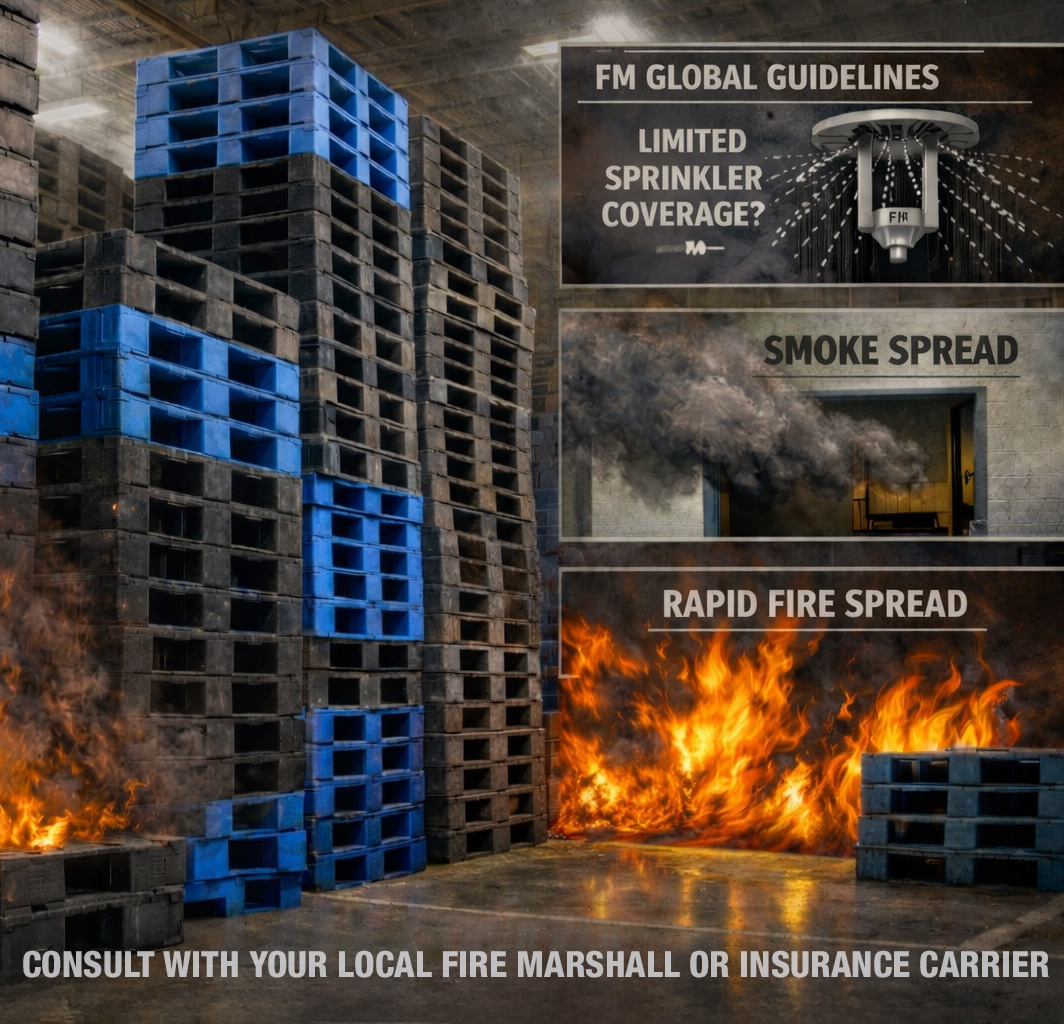 |
3. Fire safety and regulatory compliance are also frequently overlooked.Idle plastic pallet storage can create significant fire load concerns, particularly in food plants and distribution centers with high pallet counts. Different pallet materials and designs can materially impact:
Pallets that appear similar but without a fire retardant additives may carry very different fire performance characteristics. Imported or lower-cost designs may lack adequate documentation, UL or FM Listings, testing history, or guidance for compliant storage—creating exposure during insurance reviews or fire inspections. Facilities often discover these issues after pallets arrive, resulting in unplanned reconfiguration, off-site storage, or costly fire protection upgrades. Consult with your local fire marshall or insurance company or explore plastic pallets made with fire retardant materials. |
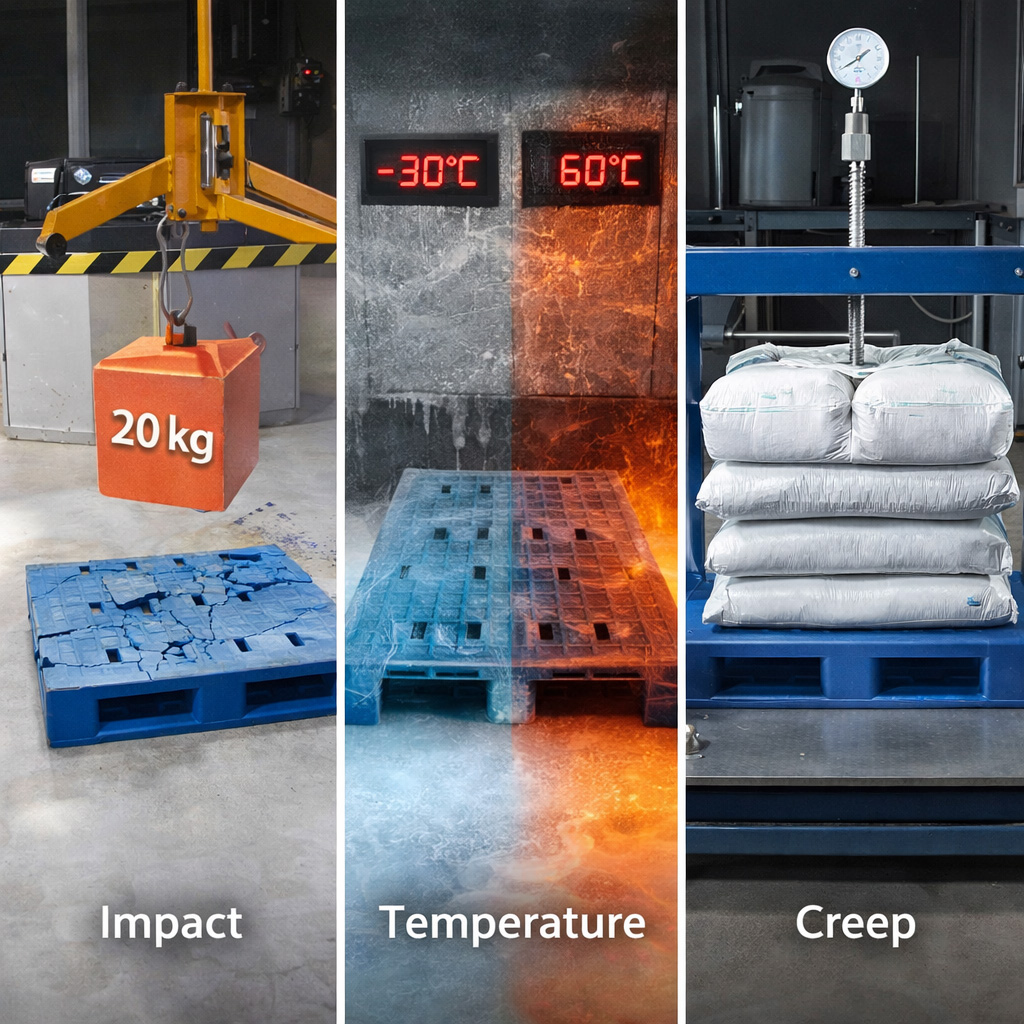
4. Plastic Pallets Are a Technical Asset—Not a CommodityUnlike wood, plastic pallets are engineered products. Performance is directly tied to polymer chemistry and structural design, including:
Selecting the wrong pallet can lead to automation faults, premature failure, or hidden long-term costs. |
|
5. Work with Proven Conversion Expertise
The most reliable outcomes come from working with a company that has:
-
- Supported hundreds of successful pallet conversions
- Experience across food, snack, and bakery environments
- Application engineering resources—not just catalog sales
- A structured testing, validation, and rollout methodology
- The ability to recommend the right pallet for the application—not just what is available
Plastic pallet conversion is not simply a purchasing decision—it is an engineering, safety, and risk-management decision.
 |
6. The ROI of a Captive Plastic Pallet ProgramAlthough plastic pallets carry a higher upfront cost, most food and snack operations see rapid payback through:
By eliminating recurring costs tied to wood pallet repairs, disposal, and housekeeping issues such as splinters and loose nails—while replacing single-use pallets with assets that deliver a proven 5–7 year service life—companies can achieve a compelling return on investment through lower total cost of ownership and improved operational efficiency.
For many facilities, the investment pays for itself within 12-24 months. |
Conclusion
Plastic pallet conversion—combined with a disciplined captive, cleanliness, and compliance strategy—provides measurable improvements in safety, sanitation, automation performance, and operational consistency. The key to success lies in clearly defining where wood stops, where plastic begins, and how pallets are tested, stored, and managed throughout their lifecycle.
When done correctly, plastic pallets become a foundational element of a safer, cleaner, and more efficient food production operations.
Talk to an Application Specialist