Why Agriculture & Bulk Bins Are Replacing Traditional Packaging
Posted: | Author: Cherrys Industrial
Sharing:
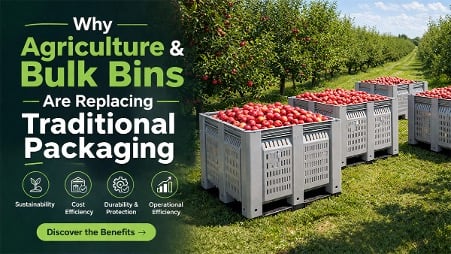
Across agriculture and food processing, a quiet but powerful shift is happening. Farms, U-pick operations, and meat processors are moving away from outdated wood crates and single-use packaging—and toward durable, reusable plastic bin systems designed for efficiency, hygiene, and long-term value.
The Problem with Traditional Wood Crates
For decades, wood crates have been the default for produce harvesting. But today’s operations demand more than what these aging solutions can offer.
Wood crates:
- Constantly require repair due to breakage and wear
- Are difficult to properly clean and sanitize
- Can harbor bacteria, mold, and contaminants
- Often look worn and unattractive—especially at customer-facing U-pick farms
- Introduce risks like splinters, nails, and debris entering the product stream
In short, they create more problems than they solve in modern, high-efficiency operations.
Agriculture Bins: Built for Today’s Harvest Demands
Reusable plastic agriculture bins are engineered to address these challenges head-on while improving productivity across the harvest cycle.
Key Features & Benefits
1. Designed for Cleanliness and Food Safety - non-porous and easy to wash.
2. Flexible Design Options
Available configurations include:
- Solid sides for delicate produce
- Vented sides for airflow and cooling
- Drain plugs for washing
3. Operational Efficiency Built In
- Molded-in or replaceable runners
- Stackable up to 10 bins high, maximizing storage density after harvest
4. Built for the Elements
UV-stabilized plastic ensures durability for outdoor use.
5. Color-Coding for Organization
Bins are available in multiple colors, allowing farms to:
- Identify crop types
- Separate harvest zones
- Improve traceability
Increasing Pack-Out & Reducing Costs in the Field
Beyond durability and cleanliness, agriculture bins play a direct role in improving yield efficiency and lowering operational costs.
- Increased pack-out for orchards and fields by reducing product damage compared to wood crates
- Designed to move product seamlessly from the field to air-drying systems, processing plants, or long-haul shipping without repacking
- Streamlined handling reduces labor, touchpoints, and time to market
Advanced venting designs also provide critical post-harvest advantages:
- Accelerated hydro-cooling, helping remove field heat faster
- Improved airflow for controlled fermentation processes, ideal for specific crops and value-added production
These features help preserve product quality while speeding up post-harvest workflows.
Bulk Bins for Meat, Poultry & Fish Processing
The same evolution is happening in protein processing facilities, where traditional corrugated combos and pallets are being replaced by reusable bulk bins.
Why Move Away from Corrugated Combos?
Single-use corrugated packaging, wood pallet and bag liner:
- Generates ongoing material and disposal costs
- Requires pallet support
- Breaks down in wet or cold environments
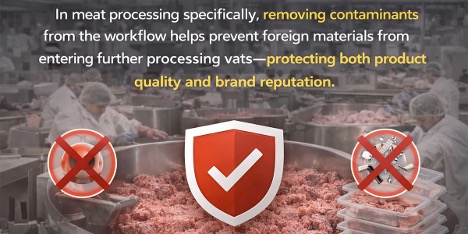
- Can introduce contaminants into product streams
- Containers can lose their shape, tear or rip losing contents.
The Advantages of Reusable Bulk Bins
1. Food-Grade & USDA-Compliant Materials - manufactured from approved materials for food handling environments.
2. Built for Heavy-Duty Use
Ideal for:
· Trim
· Offal
· Whole muscle
· Finished cuts
3. Stackable & Space Efficient
· Stack securely with lids for transport and storage
· Tapered design allows nesting when empty, reducing return freight costs
4. Hygienic and Chemical Resistant
ensuring long-term usability.
5. Repairable & Sustainable
These bins can be repaired and bases replaced—extending lifespan and reducing waste.
6. Color-Coding for Process Control
Different colors help segregate:
· Processing areas
· Product types
· Food safety zones
The ROI: More Than Just Cost Savings
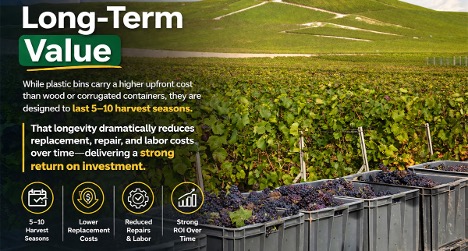
While both agriculture bins and bulk meat bins require a higher initial investment, the long-term gains are substantial:
- Elimination of single-use packaging and pallets
- Reduced disposal and landfill costs
- Improved sanitation and food safety compliance
- Lower risk of contamination (no splinters, nails, or debris)
- Increased operational efficiency
- Strong sustainability story for customers and regulators
A Smarter Standard for Modern Operations
From the field to the processing floor, reusable plastic bins are quickly becoming the new standard. They offer a cleaner, safer, and more efficient alternative to legacy systems that simply can’t keep up with today’s demands.
For operations focused on scalability, sustainability, and long-term cost control, the shift isn’t just logical—it’s inevitable.