To positively impact the lives of everyday people.
About UsBlogsFAQRecent ProjectsSupportVideosNewsBuyer's Guide Contact Sales Login
Designed, Engineered and Built in the US >>

Pallet Transfer

PALLET AND LOAD TRANSFER SOLUTIONS

Transferring product onto or off pallets, what process is typically used?

With food safety making the national headlines and a switch to clean, reusable in-house pallet and retailers requesting a specific shipping pallet, a logistics issue that comes up frequently in our conversations with customers is the matter of the best way to transfer product onto and off pallets. Some companies have developed systems which work well for their circumstances.

Typically, transferring product involves the use of machines, humans, and sometimes robotics. Companies guided by a drive for greater efficiencies within their facility as well as the desire to avoid injuries in the workplace want to have the best options possible for product transfer. With the caveat that there may be no one “perfect” system, we have developed a “primer” for those evaluating the available options. Here are the ways product can be transferred on or off a pallet. Each has its own characteristics and challenges. 


Where do you start?

• From the “30,000-foot view,” product can be transferred by (a) turning it; (b) tipping it; (c) squeezing it; (d) pushing or pulling it; or (e) transferring product box by box.

• We don’t recommend box by box transfer if it can be avoided at all. Using laborers for this activity = lifting and moving heavy boxes and off pallets – is a recipe for workplace injury.

• Advanced and finely engineered machinery can help facilities operate more quickly and efficiently, while at the same time reducing the overall likelihood of injury to workers. While each facility may have differing requirements, let’s look at the choices in a little more detail.


What Pallet Transfer Solutions should I Consider?


TURNING THE PALLET

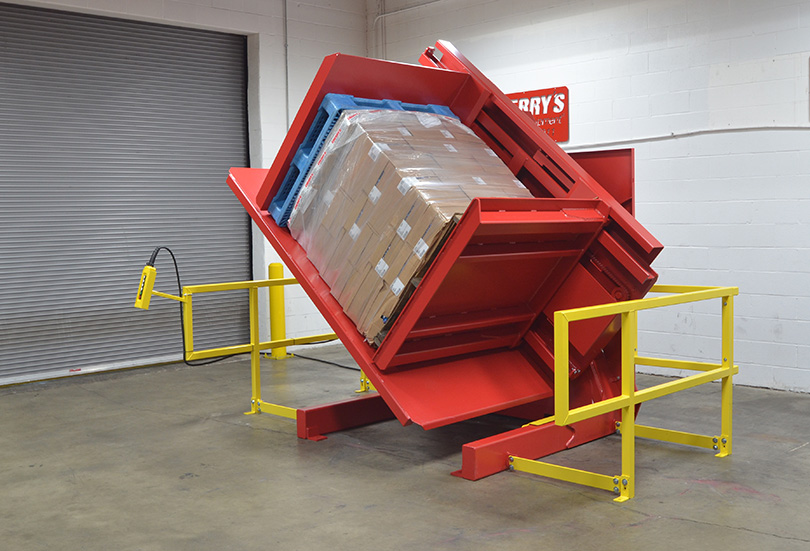
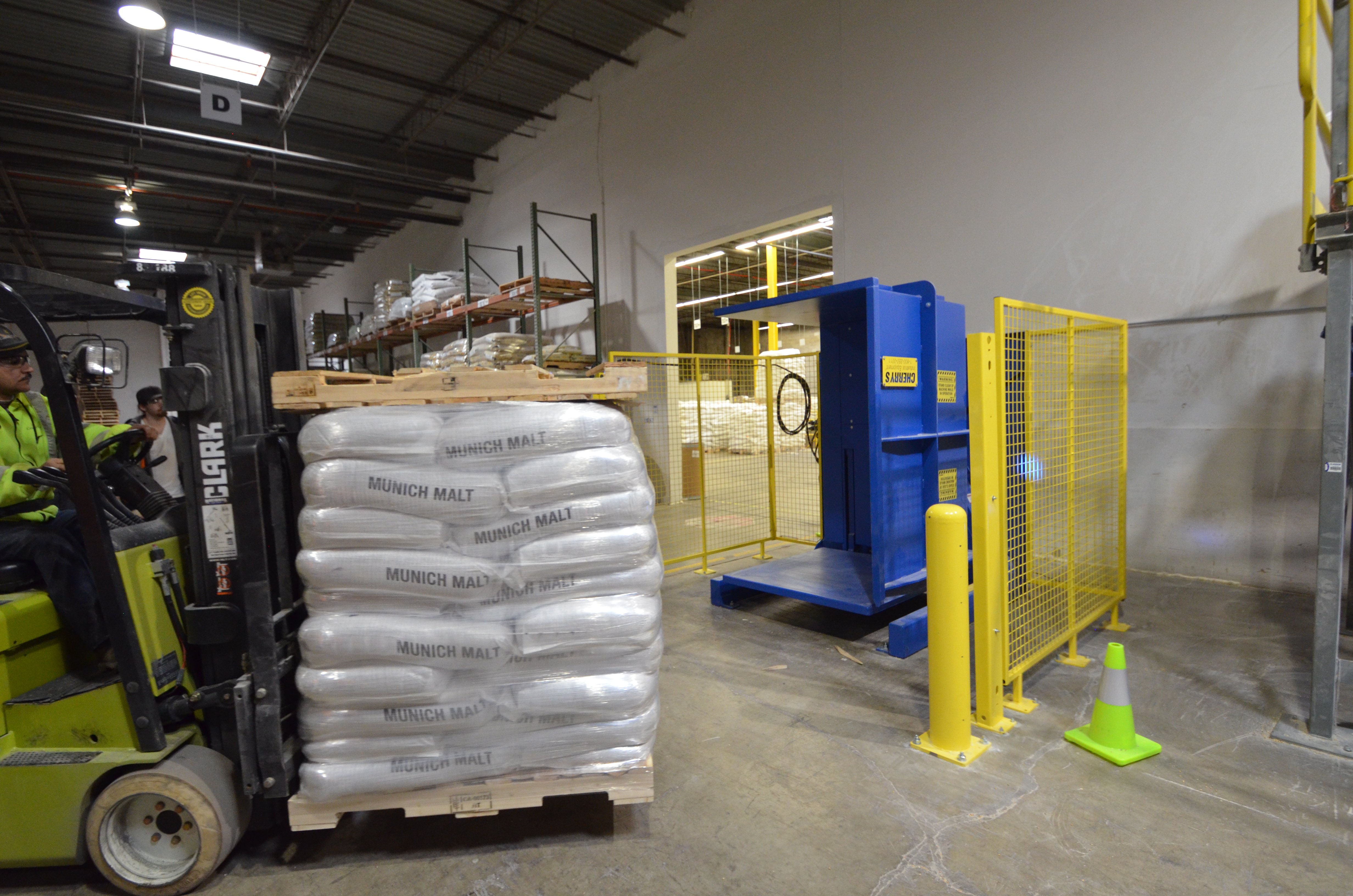
Turning flips the product upside down. It removes the pallet, places another pallet on it, and then re-inverts it, moving product from one pallet to another. This method will turn and move product damage-free, but it can be slower than some other methods available. One person can perform the operation, and it’s important to note that it is a better method for some products than for others.

SQUEEZING THE PRODUCT

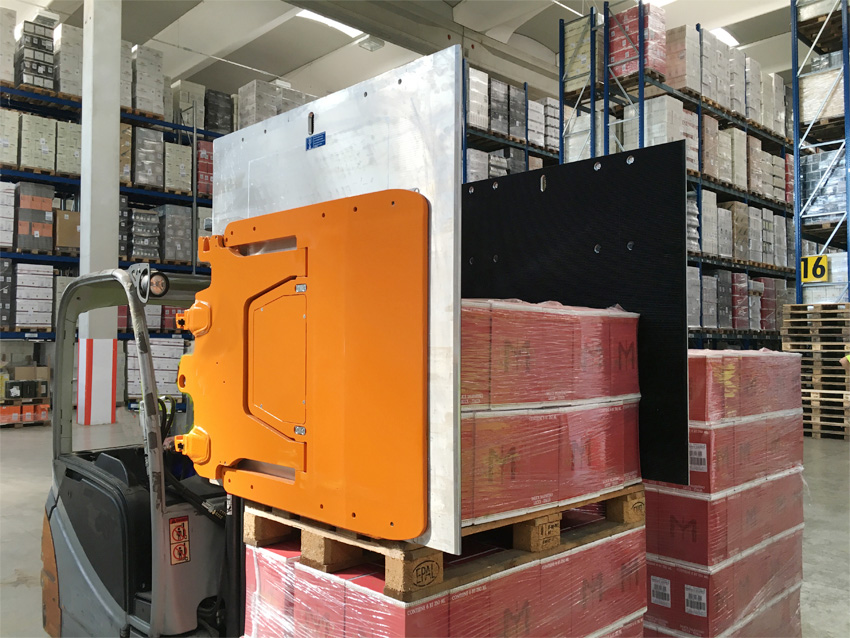
The load uses carton clamp attachments. Big plates on a forklift would squeeze the product from side to side, lift it, and then place it on another pallet. It’s a fairly fast process. But many boxes are not designed to be squeezed from side to side.

MANUAL PALLETIZING

This is the “old fashioned way” of doing things. It’s labor intensive, physically moving box by box or bag by bag. It is the most likely of all solutions to lead to workplace injuries, although robotics can help in this particular application. And it is not as quick as some of the other solutions. 


TIPPING ON ITS SIDE

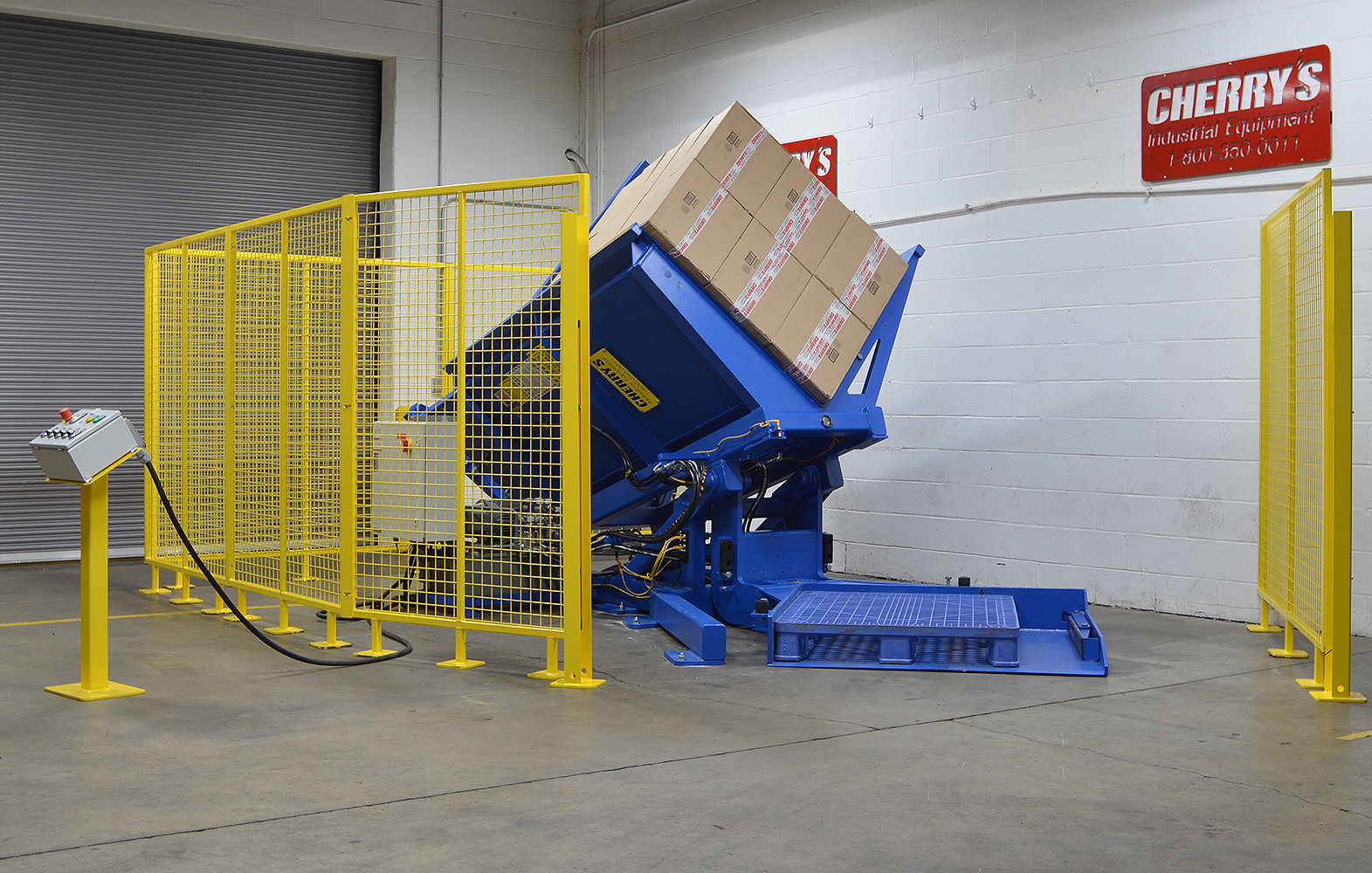
This method is best accomplished with a pallet changer which allows hands—free operation. One pallet at a time is changed. If handled manually, it requires a person to stand there, pull one pallet out and put another pallet on. Tipping doesn’t work well with bagged products. Once turned on the side, bagged products tend to slump.

PULLING OR PUSHING THE LOAD

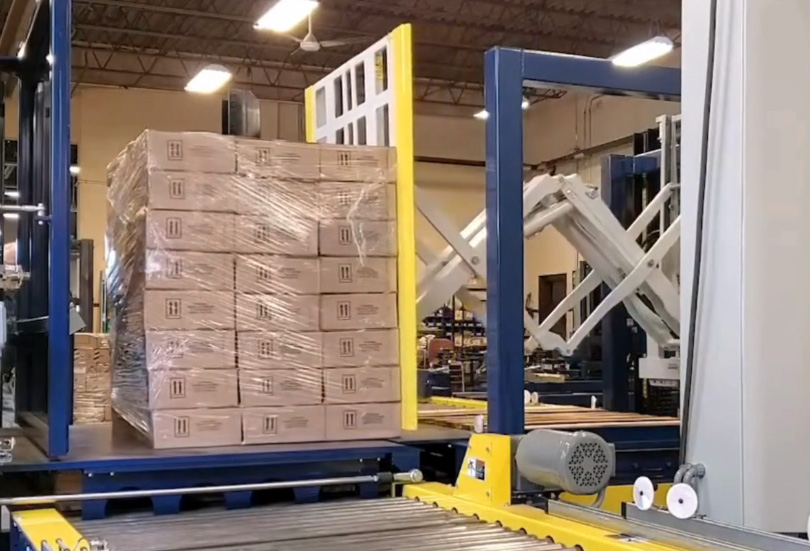
If a customer supplies a pallet with slip sheets between the top and bottom of the load, the pallets can be moved by grabbing the slip sheet tabs and pulling from one pallet onto the next one. Slip sheets are typically corrugated or plastic. Many forklifts are equipped with push-pull attachments, enabling them to grab and pull into the forks and push onto the next pallet.

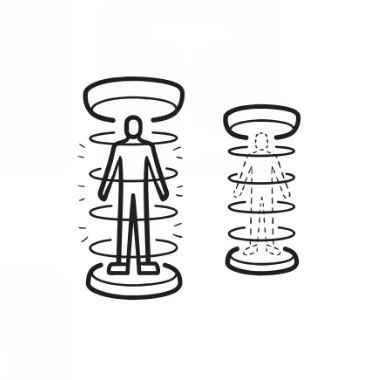
TELEPORTATION

Maybe in the future there will be another option. Remember the old Star Trek TV series and “Beam me up, Scotty?” Maybe teleportation is in our future! But for now, these are the choices facilities have. 

CUSTOM PALLET TRANSFER SOLUTIONS

Solutions for all Industries.

Learn more about how we help companies with risk assessments, ergonomic reviews and ways to automate the manual handling of pallets and products to avoid costly workplace accidents and injuries. Call us today at 847-973-7299


Advantages of Each Method

 Advantage

 Tip

Turn

Push

Pull

Clamp

 Damage Free

 X

 X


X

 Any Type of Pallet

 X


X

X

X

 Fast Operation

 X

X

X

X

X

 Forklift Loaded/Unloaded

 X

X


 Pallet Truck Loaded


X

X

X

 No Touch Operation

 X

X


 Recover Damaged Product

 X

X


 Handles Most Product Types

 X

X


 Low Price

 X

X


 Automatic Operation


X

X

X

 Effective Operation not   Effected by Weight

 X

X


 Sensitive Product is not   Compressed/Squeezed


X

X


 Utilizes Customer's Slip   Sheets


X


 Product is not Tipped or   Turned


X

X

X

 Easily Integrated with   Conveyors, dispensers/   stackers


X

X

X