Pallet Handling Equipment: Beyond ROI: When Safety Investments Pay Off in More Ways Than One
Posted: | Author: Cherrys Industrial
Sharing:
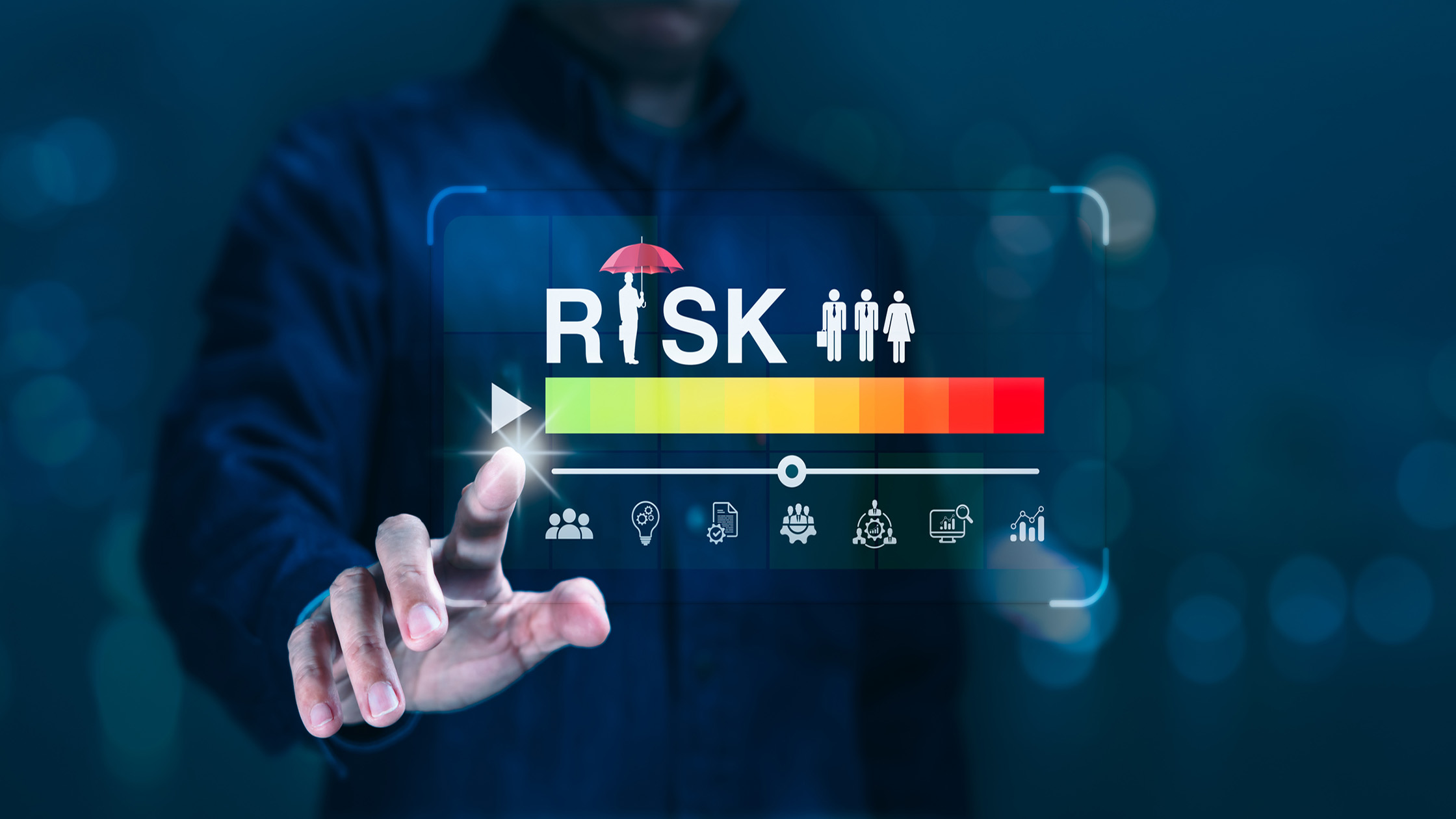
Beyond ROI: When Safety Investments Pay Off in More Ways Than One
When companies evaluate capital spending, they usually zero in on one metric: Return on Investment (ROI). If a project doesn’t pay for itself within 12–24 months, it often doesn’t make the cut. But that narrow focus can be dangerously shortsighted — especially when the investment affects worker safety.
Let’s look at a common scenario: pallet handling equipment. It may be designed to speed up operations or improve load stability — but its greatest value might be in the injuries it prevents. And that’s where ROI alone doesn’t tell the full story.
The Real Cost of Workplace Injuries: It’s More Than Just a Claim
Injuries cost far more than just the medical bills. Here’s a breakdown of hard and soft costs associated with a typical workplace injury:
Hard Costs (Direct)
- Medical expenses
- Lost-time wages
- Workers’ compensation claims
- Legal or settlement fees
- OSHA fines (if applicable)
Soft Costs (Indirect)
- Overtime to cover missing employee
- Downtime and disruption
- Lower productivity
- Retraining or onboarding a temp
- Employee morale decline
- Reputation with clients or insurers
- Increased insurance premiums
According to the National Safety Council, the average cost of a workplace injury in the U.S. is $42,000 — and that number rises sharply with more serious injuries.
How Injuries Affect Your EMR and Insurance Rates
Your Experience Modification Rate (EMR) is a score used by insurance companies to assess risk. A baseline EMR is 1.0. Anything higher means you’re considered riskier — and you’ll pay more in premiums.
- EMR of 1.2 = You’ll pay 20% more than average
- EMR of 0.8 = You’ll pay 20% less than average
Even one injury can push your EMR up, especially if you’re a small to mid-sized operation.
Let’s put it in perspective:
A $100,000 annual premium at EMR 1.0 can jump to $120,000 with an EMR of 1.2. Multiply that over 3 years, and you’ve paid $60,000 more — for just one claim.
When ROI Isn’t Enough — The Strategic Value of Safety
Sometimes, a piece of pallet handling equipment may slightly miss the mark on ROI — maybe it’s a 30-month payback instead of 24. But if it eliminates back injuries, reduces repetitive lifting, and lowers your EMR, it’s not just a smart investment — it’s a strategic one.
These tools don’t just move product; they:
- Reduce injuries and claims
- Improve employee retention and morale
- Boost efficiency with fewer slowdowns
- Reduce insurance premiums long-term
Solving Operational and Risk Problems at the Same Time
The right handling system doesn't just do a job — it eliminates a chronic problem:
· No more straining to lift pallets
· No more awkward angles or unsafe loads
· No more delays from injured or absent workers
That’s why many companies now treat safety spending like operational investment — because it is.
Don’t Buy 80% of the Solution
Too often, facilities buy equipment that “mostly” solves the issue — only to spend time and money retrofitting it later, still risking injury in the meantime. Instead:
Invest in solutions that address safety, efficiency, and insurance risk up front — not just what's easiest to cost-justify on paper.
Safety Spending Isn’t Overhead — It’s Cost Avoidance
When you invest in equipment that prevents injuries, improves processes, and protects your workforce, you’re avoiding:
- Injury costs
- Productivity hits
- Insurance hikes
- Regulatory headaches
That’s not overhead. That’s smart, future-proof business.
Let’s Build the Full Business Case
We can help you evaluate pallet handling equipment that solves real problems — and makes the financial case both above and below the surface.
Let’s talk safety, savings, and smarter solutions.