Designing the Job to Fit the Worker: The Role of Ergonomics in Modern Workplaces
Posted: | Author: Cherrys Industrial
Sharing:
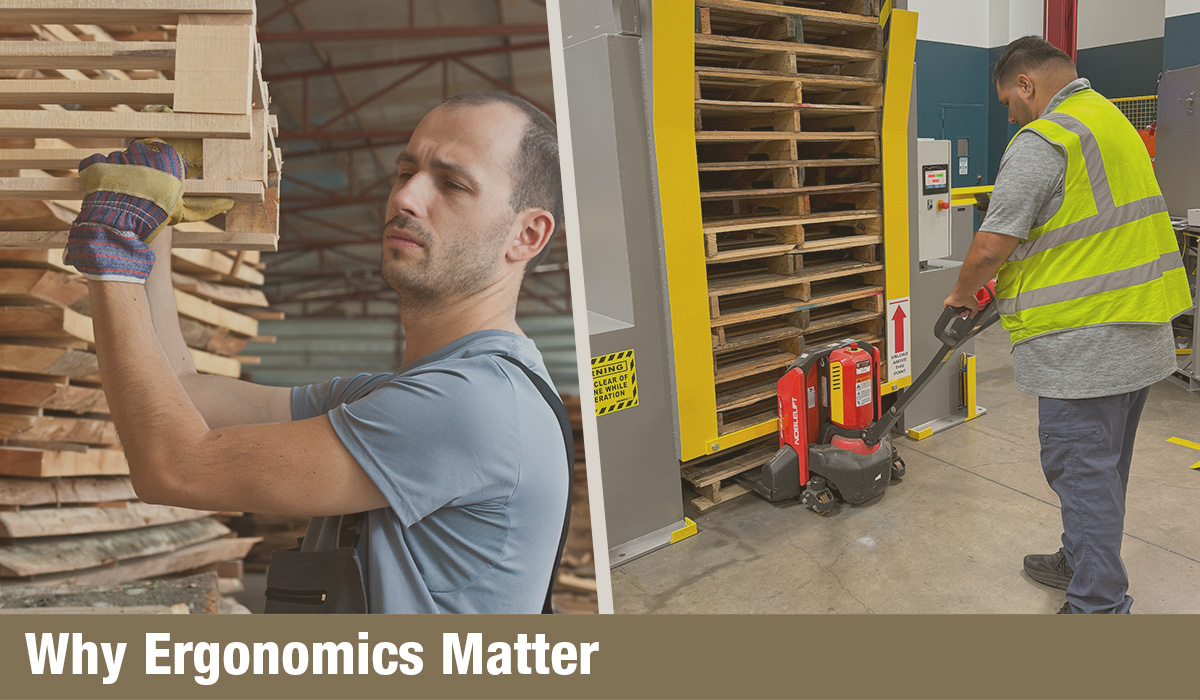
Poor Ergonomics can be Costly
Every worker is unique. Differences in height, reach, strength, flexibility, and even dominant hand use mean that a “one-size-fits-all” job design often leads to strain, injury, and inefficiency. Poor ergonomics can cause musculoskeletal disorders (MSDs), repetitive strain injuries, fatigue, and costly absenteeism.
By designing tasks, tools, and environments around the natural capabilities and limitations of people, companies not only reduce injuries but also foster higher productivity, morale, and job satisfaction.
Principles of Ergonomic Job Design
-
Fit the Task to the Worker
Instead of expecting employees to adapt to poorly designed equipment or workflows, ergonomics encourages adjusting the environment. For example, adjustable workstations allow employees of varying heights to perform tasks comfortably. -
Minimize Repetitive Motions
Repetition without variation is one of the leading causes of strain injuries. Automating repetitive tasks, rotating job responsibilities, or redesigning workflows can significantly reduce risk. -
Encourage Neutral Postures
Tools and equipment should allow workers to keep their bodies in natural, neutral positions. This reduces stress on joints, muscles, and ligaments. -
Reduce Excessive Force
Jobs should be designed to limit the need for unnecessary strength. Mechanical assists, powered equipment, or ergonomic handles can minimize the risk of overexertion. -
Allow for Adjustability and Flexibility
Adjustable equipment, tool handles, and machine controls enable workers to adapt their environment for comfort and safety.
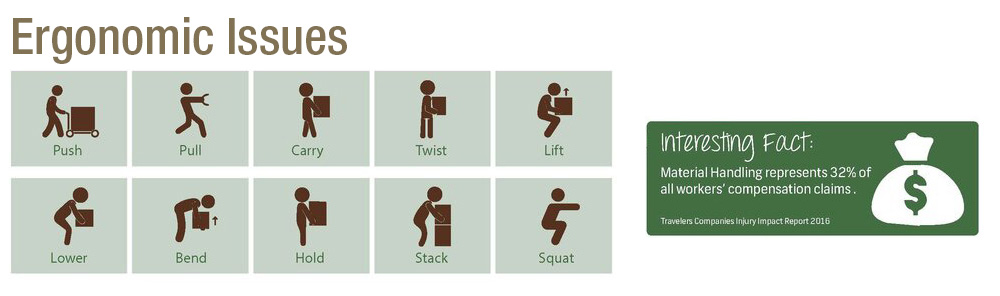
Practical Examples of Ergonomics in Action
-
Warehouse environments: Pallet dispensers, pallet inverters for damage recovery, load transfer systems for customer-specific or in-house pallets, automated stretch wrappers, conveyors, and lift assists reduce the need for manual handling of heavy loads.
-
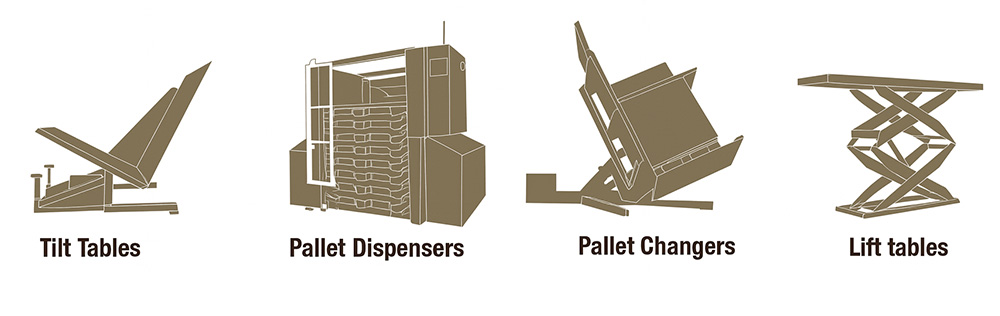
Manufacturing lines: Height-adjustable benches and tools placed within easy reach prevent awkward postures and fatigue. In addition, lift tables reduce bending, reaching, and heavy lifting; tilt tables, work positioners, and container tilters bring parts and materials closer to the worker, improving safety and efficiency.
The Business Benefits of Ergonomics
Ergonomic improvements are not just about compliance or comfort—they’re an investment in operational excellence. Benefits include:
-
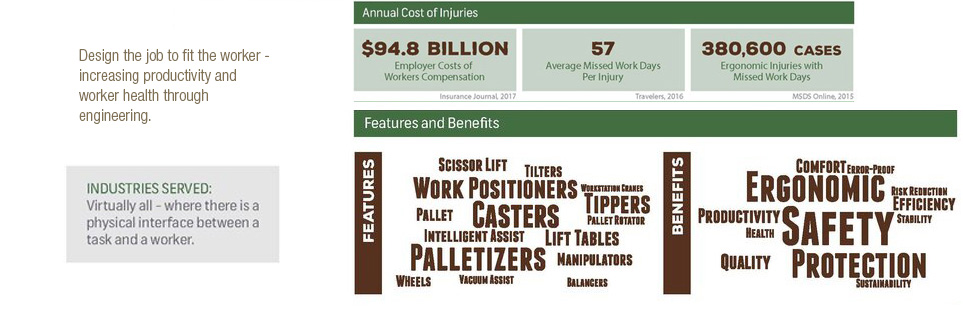
Reduced injury rates and workers’ compensation costs
-
Increased productivity and efficiency
-
Improved employee engagement and retention
-
Enhanced workplace culture focused on health and safety
Moving Forward
Organizations that integrate ergonomics into their job design processes build a healthier, safer, and more sustainable workplace. By respecting the physical differences of workers and designing jobs around human needs, businesses not only protect their teams but also position themselves for long-term success.
The Broader Movement in Ergonomics
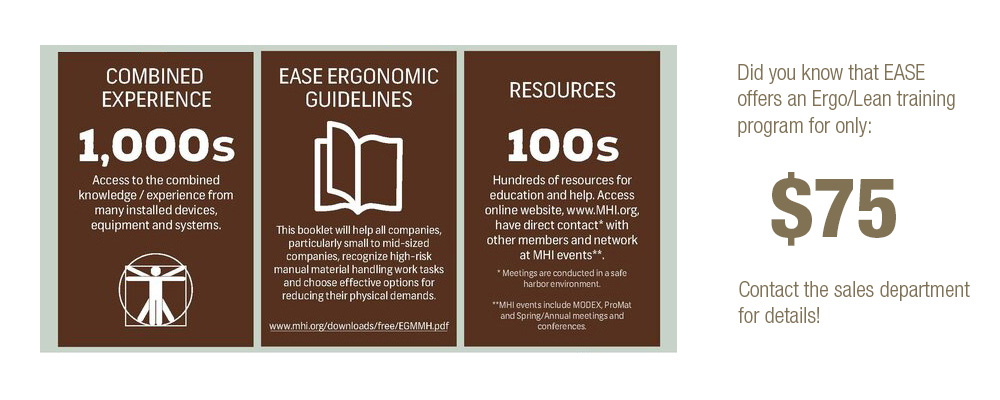
Members of EASE (Ergonomic Assist Systems & Equipment Council) actively promote the practice of good ergonomics in the workplace by providing solutions across a wide spectrum of applications and industries. The group also engages with NIOSH and the academic community to share research, exchange insights, and strengthen the advancement of ergonomics as a discipline.
Ergonomics today is more than a buzzword—it is a national movement. Demographic trends confirm that the workforce is aging and, on average, facing greater physical limitations. These realities create tangible impacts in the workplace, making it critical for responsible employers to view their operations through the lens of ergonomics.
As a contributing member of EASE within MHI, Cherry’s Industrial Equipment is dedicated to this mission. Our focus is on making work easier, safer, and more efficient for people by improving the work environment through thoughtful design and innovative equipment solutions.
For additional resources please contact us or click on the link to download a free brochure