Hiring hurdles: challenges in the manufacturing industry (Part 2)

In our previous blog, we outlined some of the challenges that we in the manufacturing industry face regarding finding and retaining talent. A study by The Manufacturing Institute and Delolitte predicts that the manufacturing skills gap here in the United States could result in 2.1 million unfilled jobs by 2030.
The same study shows that it is more difficult now finding the right talent and that 77% of those surveyed anticipate ongoing challenges when it comes to attracting and retaining worker
With a half million manufacturing jobs currently unfilled, there are steps that we should all be ready to take to address this problem.
So, how do we begin?

Embrace automation
As participants in the North American material handling trade show Promat this past year, we observed two very different views of our industry. On one side of the hall, there were the traditional material handling exhibitors, and on the other, we saw high-tech automation: robots, automatic guided vehicles, and autonomous mobile robots. There are many who believe high-tech automation is the future of manufacturing.
We’ve approached automation by evaluating what simple forms of it we could do initially: how to add conveyors to decrease product handling, how to change the processes and workflow, and then how we get more throughput of finished product out the door. These initial steps can be helpful for manufacturers who are dealing with this labor shortage.
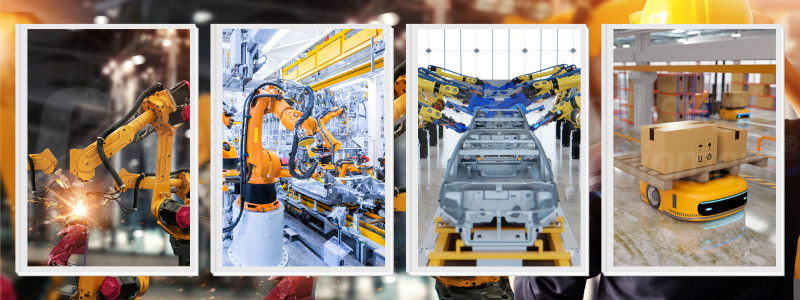
“Robotics” is the hot term today when we think of automation. But not every manufacturer needs to start there, even though it may ultimately be where we end up. Automation can assist where the labor shortage is concerned in that some jobs done by humans can be done with automation.
How do we hire and retain talent?
How do we hire and how do we retain people? This issue can be approached from both the “business” and the “people and values” perspectives. Both are important.
Even with increased automation, the need to find and retain talent remains critical. The “people side” of hiring is where we focus on trying to get the right people, with the right character and values. How do we attract “A-level” talent and keep them engaged?

At Cherry’s , we believe in the values-based approach to hiring. We hire for character and values; we can teach and train the right employees in what they need to know, as long as they bring character and values to our company.
The usual perks, benefits and salary increases are important, but they may no longer be enough to attract new talent or retain existing employees. This new generation of workers is attracted to companies with a value-based community and a purpose that invites. Employees want to contribute and know the details of the business. Reward and recognition should be an early and frequent part of the employee experience.
A need for a more strategic talent search
With such a small pool of candidates available, manufacturing companies are starting the talent search early and are being strategic. They are now looking beyond colleges and technical training schools and even recruiting at high schools. Students unsure of their career path may be realizing that college might not be the right fit for them. Employers seeking talent should create outreach, as well as curriculum and training programs to attract overlooked and marginalized groups of potential employees.
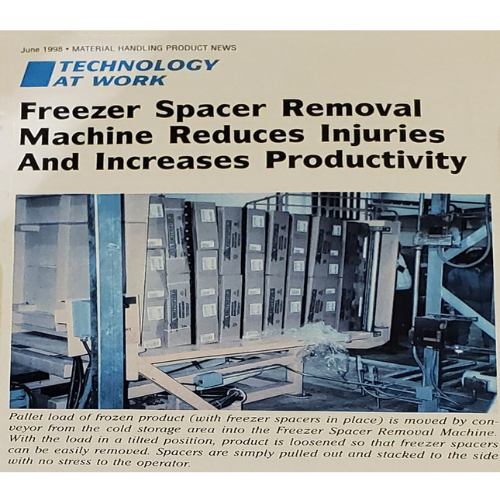
When I first started in this industry, I had the opportunity to call on many facilities as we introduced a machine to transfer products and eliminate manual handling. Some of the pushback I received was, “Well, that’s (manual handling) their (employee) workout for the day.” Employers seemed to want to hire an athletic type who would, instead of going to a gym, lift 50 lb. boxes or bags in their facilities. My question then was “How many people really have the strength and stamina to lift hundreds of pounds of product for 8 hours without getting hurt? How is this possible?”
That was nearly 30 years ago. Today, the problem still exists and it has been exacerbated by the changes in the workforce. Today’s workers, it may be argued, have lower fitness levels; the average age in the manufacturing workforce is 50 or older, and there is an increase in chronic health issues including obesity.
What we can conclude from all of this?
First, it is more difficult than before to find the talent we need to fill our facilities and plants, so as an industry we need to be strategic and creative in our approach to recruiting. We need to work toward building organizations that value employees so that we can retain the talent we have. And we must embrace automation and understand that it will be a part of our future. The successful companies will strike the right balance in all of these considerations.
At Cherry’s Industrial Equipment we are here to answer your questions about automation and the best equipment design to best serve your warehouse operation. We’re also happy to share our thoughts on recruiting and retaining talent. If you have questions and would like to discuss in more detail, please contact Cherry’s Industrial Service Department at 877-350-2748 or email [email protected]. We’re here to help!
Sign up to our social media channels to be alerted of new blogs!
Cherry’s Industrial Equipment strives to positively impact the lives of everyday people, by engineered pallet handling solutions to improve safety and efficiency and to help achieve your goals, browse our selection of pallet inversion systems online to see what we offer, or reach out to discuss a custom solution. To request a quote or get more information, feel free to call us at 1-847-696-8889 or submit our online contact form. We’ll answer any questions you may have and suggest the best solutions for your facility.