Avoid OHSA headaches
Workplace injury is not a subject to be taken lightly. Many meat and frozen food processing facilities have already faced or may face this issue at some point. Despite advances which can improve a facility’s safety and operating efficiency, many facilities have yet to embrace these upgrades.
Too many facilities still rely on employees doing the manual moving and lifting of heavy boxes and pallets. This practice can lead to repetitive motion injuries, back strains, fatigue, and improper posture, all of which can result in harm to workers. No one wants this outcome, but it happens far more than it should. In addition to the potential harm, these injuries can boost a company’s workers’ compensation claims, potentially affecting the cost of the insurance, and at the same time result in lower workplace productivity.
OSHA (Occupational Safety and Health Administration) takes workplace injuries very seriously
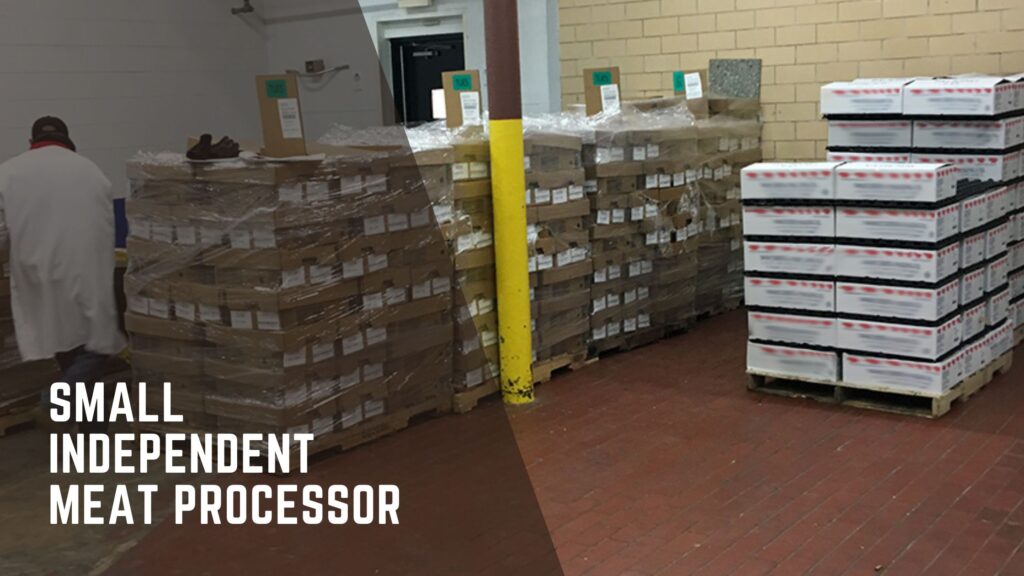
Case in point: In the spring of 2024, a Midwestern meat processing facility ended up on the wrong side of an OSHA action with proposed penalties in excess of $35,000. The fines Especially where it seems apparent that the facility could have taken steps to prevent the problem.
Specifically, the company was accused of putting employees at risk by requiring them to manually lift boxes (some weighing over 50 pounds) from the palletizing conveyor onto pallets at floor level, and then stack them up to nine boxes high. The frequent lifting, repetitive motion, and forced exertion associated with manual handling of pallets can contribute to workplace injuries.
The plant was cited for several serious health and safety violations, finding that employees were exposed to “ergonomic stressors” likely to cause musculoskeletal disorders and injuries when working in the plant’s palleting area.
This facility’s troubles didn’t end there, either. The plant was additionally cited for exposing workers to slip and fall hazards, in that they were allowed to walk on a damaged, uneven surface in the cold storage area and walk through aisles and a passageway that were not clear or in good repair.

When a facility comes face to face with a regulatory agency such as OSHA, it can take considerable time and expense to address the issue.
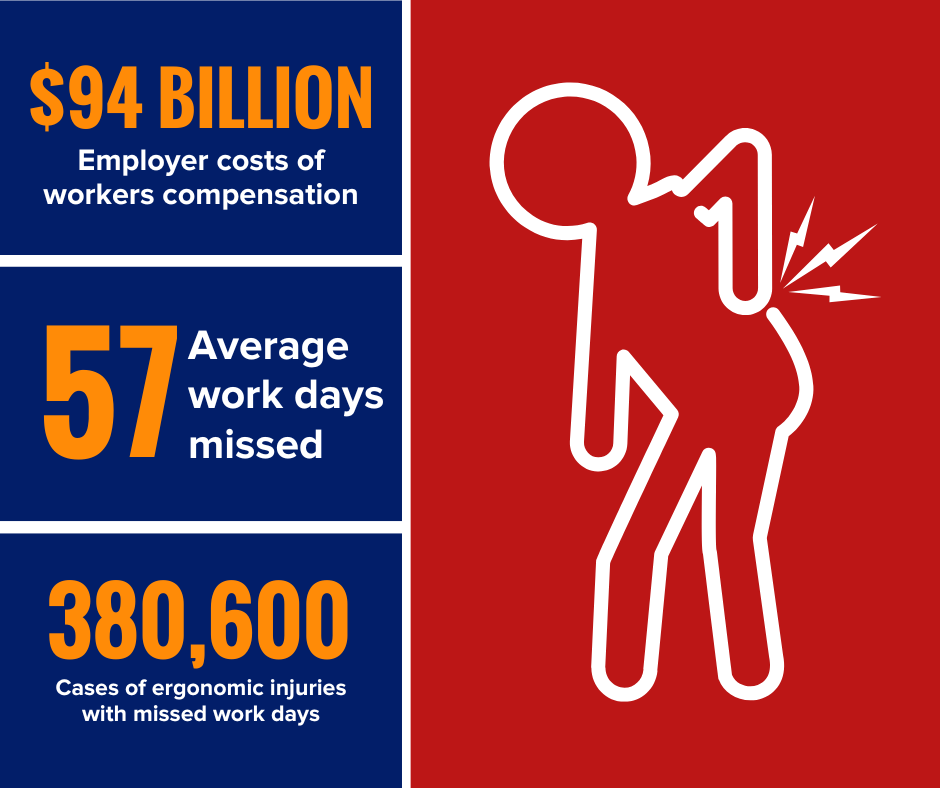
How widespread is the problem? According to the Bureau of Labor Statistics, in a recent year the manufacturing industry reported 846,700 injuries, representing 6.6 cases per 100 full-time workers. That’s a significant number.
Lifting heavy items can cause musculoskeletal injuries

OSHA Area Director Matthew Thurlby was quoted as saying that musculoskeletal injuries are among the most frequent causes of lost or restricted worktime, and that these injuries are likely to occur when lifting heavy items, bending, working in awkward body postures and performing the same or similar tasks repetitively.
But there’s even more that a processing facility can do – OHSA recommends creating an effective ergonomics program including training, hazard analysis and control, medical management, and process evaluation to limit muscle strain.
Prevention is important
You may recall the old adage, “An ounce of prevention is worth a pound of cure.”
Because each processing facility is unique, there is no “one size fits all” solution. But the end goal for every facility should be the same: find the best way to reduce manual material handling which will avoid repetitive motion injuries and other workplace injuries. And, with the right equipment, the processing facility will also run more efficiently.
Here are just a few examples of equipment that can reduce workplace injury.
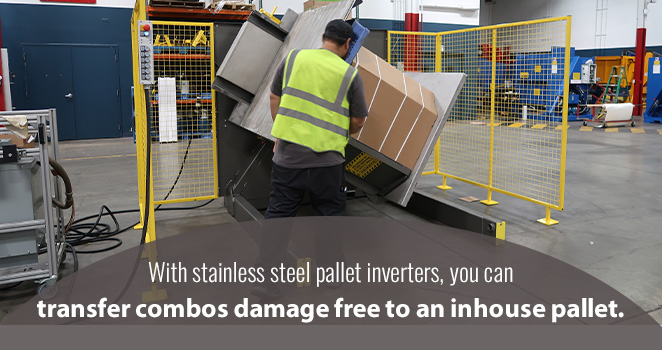
- Pallet Inverters: This equipment can rotate at 180 degrees, allowing a quick and simple pallet exchange or recovery of damaged product.
- Pallet Retrievers and Spacer Removal machines – This equipment clamps and rotates the load 105° to remove freezer spacers between box layers and change out a bad pallet. Eliminating the manual transferring of boxes to a new pallet.
- Pallet Changers: Allow hands free pallet to pallet transfers without having to handle the product nor the pallets.
- Pallet Dispensers: Dispensers and stackers will minimize the risk of a back injury or strain on a worker. An automatic pallet system can dispense shipping pallets, plastic, aluminum and rental pallets. Dispensers are most commonly used on palletizing lines, sorting areas, and order picking and selecting.
- Lift tables: Lifting tables, ergonomic scissor lifts and work assist platforms position the pallet at the ideal height for palletizing, reduce bending and reaching and at the necessary angle to keep the contents accessible.
- Robotics: As automation becomes more commonly available, there are a number of functions that our robotic counterparts can fulfill, thereby reducing the repetitive tasks that humans need to do.
What do all of the above have in common? Each requires less human interaction in situations leading to potential injury.
Overwhelmed and wearing too many hats?
So, why isn’t everyone doing it, you might ask? Often times, small independent meat processors are so busy running their facilities and striving to meet deadlines that they may not take the necessary time to evaluate additional ways of improving safety and efficiency. Or they may conclude that bringing in these solutions would be too costly.
It shouldn’t be a question of “Can I afford to make these improvements,” but rather “Can I afford not to make them?” Learn what the options are with a no-obligation conversation. As you consider any upgrade, we can help you evaluate potential next steps. Please contact Cherry’s Industrial Sales Department at 800-350-0011 or email [email protected]. We’re here to help!